
Get Rainwater Diversion in Boise, ID
Rainwater diversion services for Boise property owners help prevent flooding, manage runoff, and protect foundations through projects like gutter extensions, drainage systems, and retention solutions.
Rainwater diversion services are an important consideration for property owners in Boise, ID, especially for those looking to manage runoff effectively and protect their landscapes. Proper planning can help prevent water pooling, reduce erosion, and minimize potential damage to foundations and landscaping. Exploring local contractors who specialize in rainwater management provides opportunities to compare different approaches and find solutions tailored to the unique climate and terrain of the Boise area.
For property owners interested in implementing rainwater diversion systems, understanding available options and working with experienced service providers can make a significant difference. Local contractors can assess the specific needs of a property and recommend practical, efficient solutions. Continuing to explore your options ensures that you find the right fit for your property’s drainage needs and long-term maintenance considerations.
- Rainwater Diversion Installation - needed when property owners want to redirect runoff away from foundations in neighborhoods like North End or Boise Bench.
- Gutter and Downspout Diverter Setup - useful when existing drainage systems cause pooling or erosion along walkways and driveways.
- Rainwater Harvesting System Connections - appropriate for residents looking to collect and reuse rainwater from rooftops in areas with heavy seasonal rainfall.
- Drainage Channel and Swale Construction - required when managing large volumes of stormwater during heavy rainstorms in commercial or residential zones.
- Water Flow Management for Landscaping - necessary for maintaining healthy lawns and gardens by controlling excess runoff in yards and green spaces.
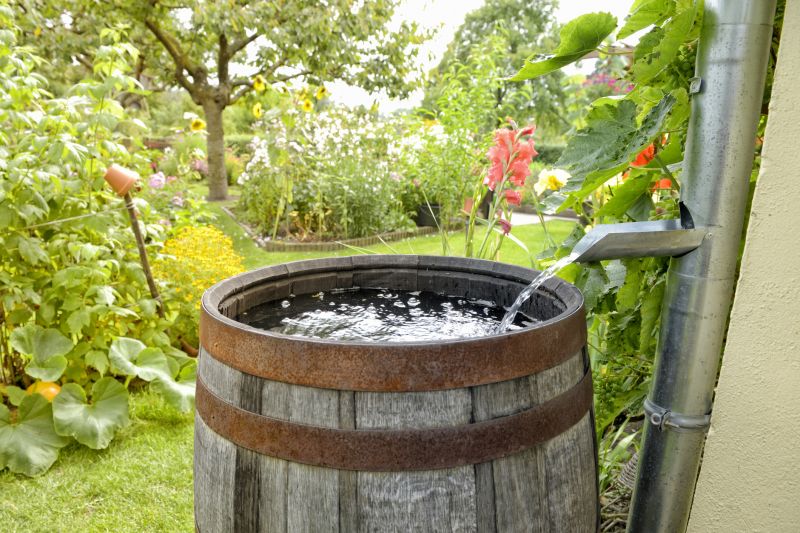
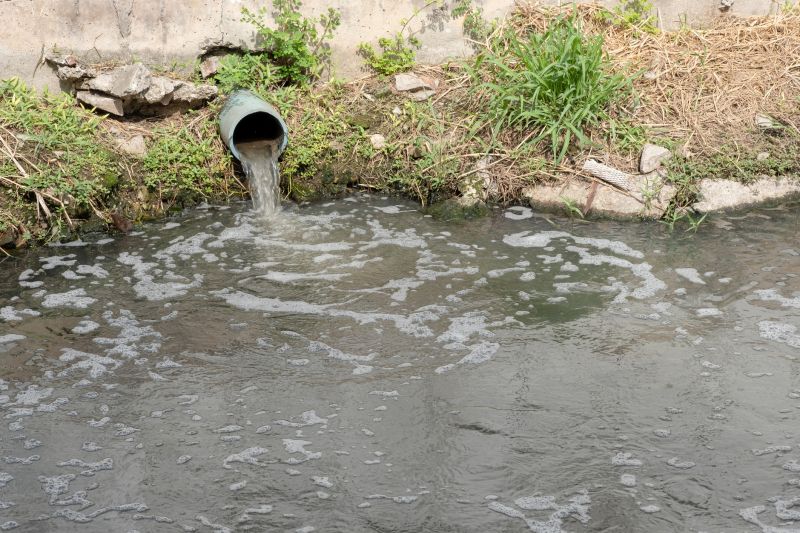
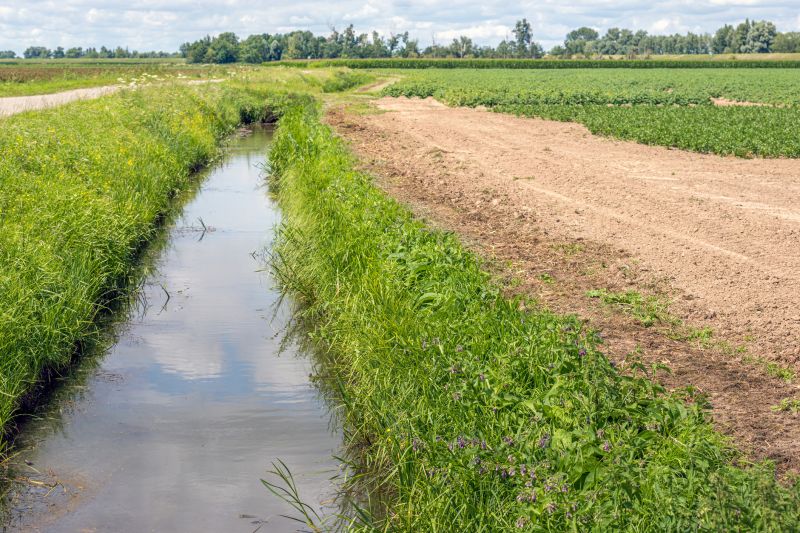
Rainwater diversion services involve installing systems that redirect rainwater away from a property's foundation and other vulnerable areas. These systems typically include components like gutters, downspouts, and underground piping designed to channel water safely away from the building. Properly managing rainwater can help prevent water from pooling around the foundation, which is essential for maintaining the structural integrity of a home or commercial property. Local contractors who specialize in rainwater diversion can assess a property's layout and recommend the most effective solutions to keep water flowing away from critical areas.
Many common problems can be addressed with rainwater diversion services. Excess water pooling near a foundation can lead to basement flooding, foundation cracks, or soil erosion over time. Inadequate drainage might also cause water to seep into crawl spaces or basements, leading to moisture issues and potential mold growth. Additionally, poorly managed rainwater can contribute to landscape erosion or damage to walkways and driveways. Service providers can install or upgrade drainage systems to resolve these issues, helping property owners maintain a dry and stable environment around their buildings.
These services are often used on residential properties, especially those with sloped yards or landscaping that directs water toward the house. Homeowners who notice water pooling after storms or experience basement dampness may find rainwater diversion solutions beneficial. Commercial properties, such as apartment complexes or retail buildings, also commonly utilize these systems to protect their structures and surrounding landscaping. Properties located in areas with heavy rainfall or uneven terrain are particularly likely to benefit from professional rainwater management to prevent water-related damage and ensure proper drainage.
Choosing to work with experienced local contractors can ensure that rainwater diversion systems are correctly installed and suited to the specific needs of a property. Properly designed and maintained systems can effectively manage stormwater runoff, reduce the risk of water damage, and help preserve the property's value. Homeowners and property managers should consider these services when facing issues related to poor drainage or water accumulation around their buildings. Contacting local service providers can provide tailored solutions that address individual property challenges and improve overall water management.
The overview below groups typical Rainwater Diversion projects into broad ranges so you can see how smaller, mid-sized, and larger jobs often compare in Boise, ID.
In many markets, a large share of routine jobs stays in the lower and middle ranges, while only a smaller percentage of projects moves into the highest bands when the work is more complex or site conditions are harder than average.
Smaller Repairs - Typical costs for minor rainwater diversion repairs or adjustments usually fall between $250 and $600. Many routine jobs in Boise and nearby areas are completed within this range, depending on the specific work needed.
Partial System Replacement - Replacing parts of an existing rainwater diversion system generally costs between $1,000 and $3,000. Larger, more complex projects can reach $4,000 or more, but most projects fall within the middle of this range.
Full System Installation - Installing a new rainwater diversion system from scratch can range from $3,500 to $8,000+ depending on property size and system complexity. Many installations are completed in the lower to mid part of this range, with larger homes tending toward the higher end.
Major System Overhaul - Extensive upgrades or complete overhauls of existing systems may cost $8,000 to $15,000 or more. These projects are less common and typically involve significant property or system modifications in Boise and surrounding areas.
Actual totals will depend on details like access to the work area, the scope of the project, and the materials selected, so use these as general starting points rather than exact figures.
Drainage System Installation - Professionals skilled in designing and installing drainage systems can apply similar planning and piping techniques used in rainwater diversion projects.
Stormwater Management Solutions - Local contractors experienced in stormwater management utilize similar skills in water flow control and site assessment as rainwater diversion services require.
Landscape Drainage Planning - Landscape drainage projects involve planning and implementing water runoff solutions, aligning closely with rainwater diversion strategies.
Gutter and Downspout Systems - Installing and maintaining gutter systems requires knowledge of water flow management, relevant to rainwater diversion system setup.
Water Harvesting System Setup - Setting up rainwater harvesting involves planning and plumbing skills comparable to rainwater diversion services.
Erosion Control Projects - Erosion control work involves water flow assessment and soil stabilization, sharing planning and site management skills with rainwater diversion services.
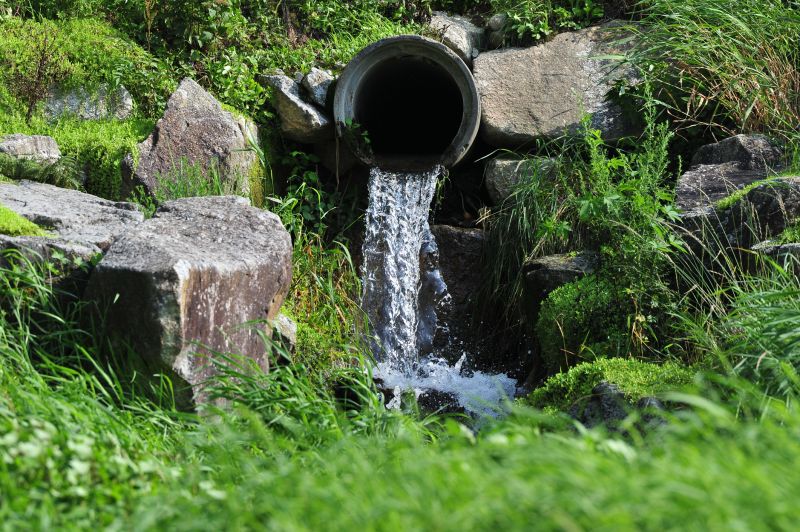
When comparing contractors for rainwater diversion services, it’s important to consider their experience with similar projects. Homeowners should look for service providers who have a proven track record of handling rainwater management systems comparable to the scope of their own property. Asking about past work can help gauge whether a contractor has the relevant expertise and familiarity with the specific challenges that may arise. This ensures that the chosen professional understands the unique aspects of rainwater diversion and can deliver results that meet the homeowner’s needs.
Clear, written expectations are a key factor in choosing the right contractor. Homeowners should seek out service providers who can provide detailed descriptions of their proposed work, including the materials they plan to use and the steps involved in completing the project. Having these expectations documented helps prevent misunderstandings and ensures everyone is aligned on the scope of work. It also provides a basis for comparing different local contractors on the thoroughness and clarity of their proposals, making it easier to identify professionals who communicate effectively and professionally.
Reputable references and strong communication are essential when evaluating local rainwater diversion specialists. Homeowners can ask service providers for references from previous clients with similar projects, offering insight into their reliability and quality of work. Additionally, good communication-such as responsiveness, clarity, and willingness to answer questions-can make the entire process smoother. While the site itself introduces homeowners to local options, it’s important to remember that the selection process involves directly assessing each contractor’s experience, reputation, and communication style to find the best match for the project.
Property owners in Boise, ID use Rainwater Diversion services for practical projects around their homes and businesses. This guide focuses on everyday jobs and straightforward project options.
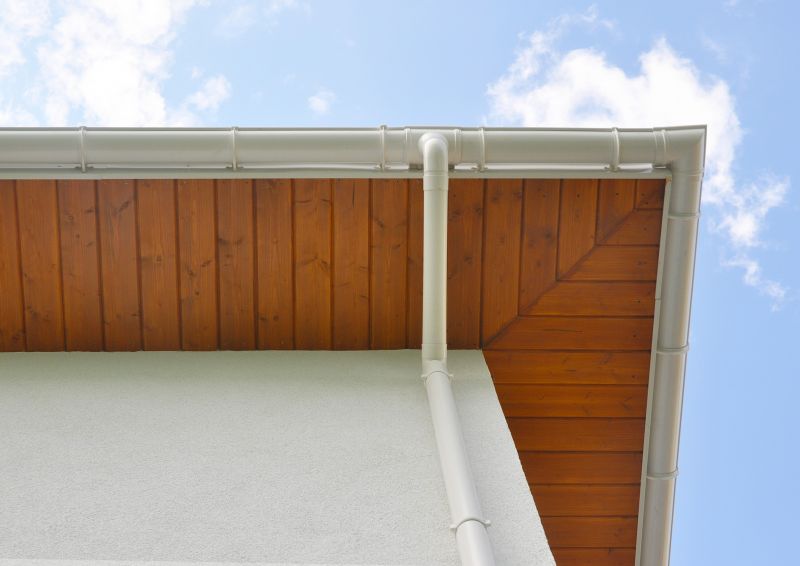
Rainwater diversion services are often needed after heavy rainfall or rapid snowmelt common in Boise’s seasonal weather. Property owners might seek these services to prevent water from pooling around foundations, which can lead to basement flooding or structural issues. Additionally, those with landscaping or garden areas may want to redirect rainwater away from walkways and driveways to reduce erosion and maintain a safe, dry outdoor space.
Homeowners and property managers may also look for rainwater diversion solutions to improve drainage around their properties, especially in areas prone to water runoff. Local contractors can help install systems that channel rainwater efficiently, protecting lawns, gardens, and structures from water damage. These services are a practical step for maintaining the integrity of a property and avoiding costly repairs caused by excess water.
What is rainwater diversion? Rainwater diversion involves redirecting runoff water from roofs or surfaces away from foundations to prevent water damage and manage drainage effectively.
How do rainwater diversion systems work? These systems typically use gutters, downspouts, and underground piping to channel rainwater to designated areas like gardens or storm drains.
Are rainwater diversion services suitable for residential properties? Yes, many local contractors offer rainwater diversion solutions tailored for residential homes to help protect foundations and landscaping.
What types of rainwater diversion options are available? Options include gutter extensions, rain barrels, underground piping, and drainage swales, depending on property needs and site conditions.
How can I find local contractors for rainwater diversion services? This site helps connect homeowners with nearby service providers experienced in installing and maintaining rainwater diversion systems.
Rainwater Collection - Property owners can set up systems to collect rainwater for outdoor irrigation or gardening, reducing reliance on municipal water sources.
Gutter Diversion Solutions - Installing gutter diversion systems helps direct runoff away from foundations and walkways, preventing water damage during heavy storms.
Stormwater Management - Local contractors can help design and install rainwater diversion methods to manage runoff efficiently on residential or commercial properties.
Drainage System Improvements - Enhancing existing drainage with diversion techniques can improve water flow and reduce pooling around structures after rainfall.
If you are thinking about Rainwater Diversion for a property in Boise, ID, this guide is meant to help you understand the work, the typical project types, and how different options might fit your plans.
When you are ready, you can use the quote form on this page to share a few details about your project. From there, local pros can review the basics and respond with options that match what you have in mind.